July 30, 2026
Outdoor spaces have become an extension of the home, giving families room to relax, entertain, exercise, and spend time together. A thoughtfully planned backyard can feel like another living area rather than an unused section of the property. When homeowners want to make that space more functional and visually appealing, pool installation can serve as a central design feature that brings the entire outdoor environment together.
A swimming pool can influence nearly every part of a backyard plan, including patios, walkways, landscaping, lighting, seating, fencing, and shade structures. Instead of adding separate features without a clear connection, homeowners can use the pool as an anchor for a coordinated design. Careful planning helps ensure the finished space supports daily routines while complementing the home’s architecture.
Creating a Defined Outdoor Focal Point
A strong outdoor design often begins with a clear focal point. Pool installation naturally creates one because the water, shape, and surrounding materials immediately draw attention. The pool can establish the yard’s layout, helping homeowners determine where to place lounge chairs, dining areas, gardens, and pathways.
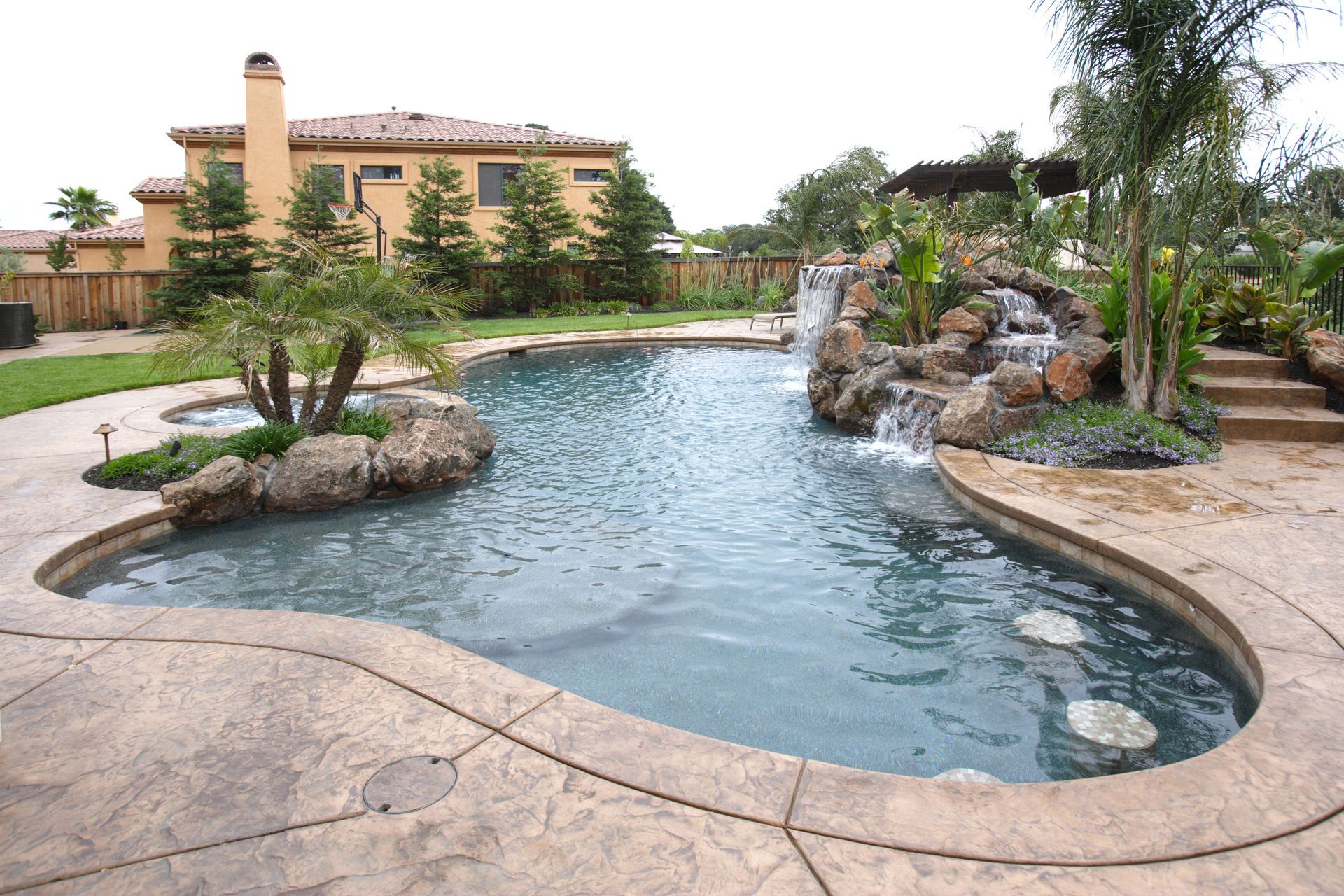
The pool’s size and shape can also reinforce a specific design style. A rectangular pool may suit a clean, contemporary property, while a curved design may blend more naturally with informal landscaping. Interior finishes, coping, tile, and decking can be selected to coordinate with the home’s exterior colors and materials. These choices create visual continuity between the house and backyard instead of making the pool appear unrelated.
A well-positioned pool can also improve views from inside the home. Homeowners may consider sightlines from kitchens, living rooms, and bedrooms when choosing the location. This approach allows the pool to contribute to the property’s appearance even when it is not being used.
Improving the Flow of Outdoor Living Areas
Successful outdoor spaces should make movement feel natural. Pool installation gives homeowners an opportunity to plan clear connections between the house, water, patio, lawn, and other activity zones. Walkways can direct people safely around the pool, while distinct areas can separate swimming from cooking, dining, and quiet relaxation.
The surrounding deck should provide enough room for the activities a household expects to enjoy. Families that host gatherings may need space for multiple seating groups, while homeowners who prefer quiet afternoons may prioritize a smaller lounge area. Creating these zones during the initial design process can prevent the backyard from feeling crowded or disorganized.
Traffic flow matters near entrances, steps, gates, and outdoor kitchens. People should be able to move between areas without weaving around furniture or walking too close to the water. Thoughtful placement supports convenience and helps the entire yard function as one connected environment.
Expanding Opportunities for Recreation and Relaxation
A pool can support many types of outdoor activity. Swimming offers a convenient way to exercise, cool off, and enjoy time with family without leaving home. Children may use the pool for play, adults for low-impact movement, and guests may gather nearby during social events. These benefits make pool installation both a design decision and a lifestyle investment.
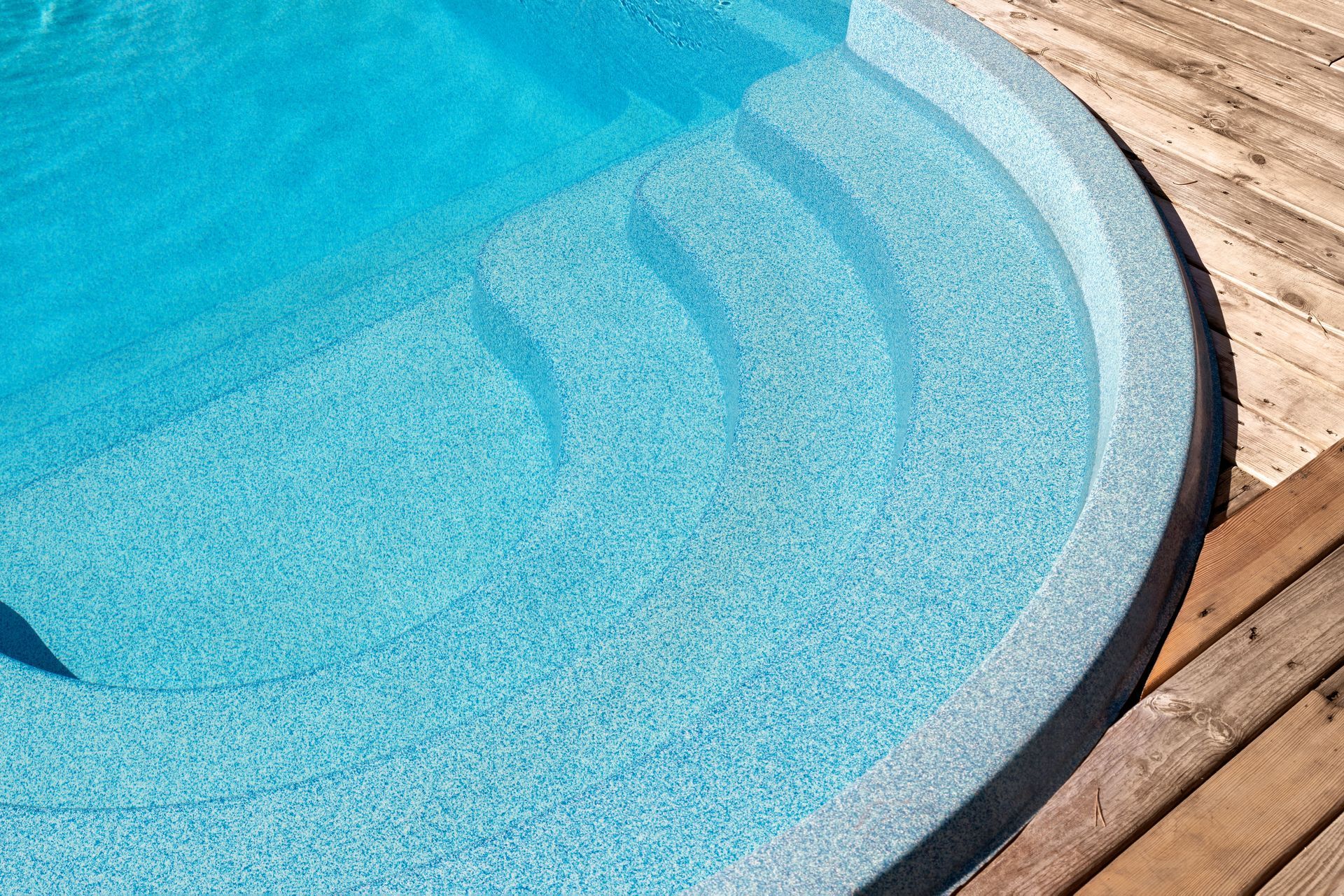
The surrounding environment can be tailored to different forms of relaxation. Shaded seating, umbrellas, pergolas, and covered patios can provide relief from the sun. A spa, tanning ledge, bench, or shallow area can create additional options for comfort. Water features can also introduce gentle sound and movement.
Even when no one is swimming, the pool can make the yard feel more inviting. Reflective water, attractive lighting, and coordinated landscaping can create a calming atmosphere. This combination can encourage homeowners to spend more time outdoors throughout the swimming season.
Coordinating Landscaping and Hardscaping Features
Landscaping and hardscaping have a major effect on how a pool area looks and performs. During pool installation, homeowners can select deck materials that balance appearance, durability, comfort, and maintenance requirements. Concrete, pavers, stone, and other surfaces offer different textures and design possibilities.
Plant choices should also account for the pool environment. Trees and shrubs can provide privacy, color, and shade, but their roots, leaves, and growth patterns should be considered carefully. Low-maintenance plants may reduce debris, while layered landscaping can soften fences and create a more natural backdrop. Professional planning can help homeowners choose greenery that enhances the design without interfering with access or equipment.
Drainage is another essential consideration. Water should move away from the pool, house, and seating areas to reduce puddling and surface damage. Grading, drains, and permeable materials may be incorporated into the design. Coordinating these details from the beginning can create a polished result and reduce the need for disruptive changes later.
Supporting Long-Term Property Value
Home improvements can affect both personal enjoyment and future market appeal. According to Ruby Home, swimming pools can increase a home’s value by up to 7%. The exact impact depends on factors such as location, climate, condition, design quality, and buyer preferences, but an attractive pool can help a property stand out when it suits the surrounding market.
Professional pool installation may support value by creating a finished outdoor environment rather than simply placing a pool in an open yard. Buyers often evaluate the complete setting, including decking, landscaping, privacy, safety features, and maintenance needs. A cohesive design can make the backyard feel ready for immediate use.
Proper upkeep is also important. Clean surfaces, functioning equipment, balanced water, and maintained landscaping can preserve the pool’s appearance and performance. Homeowners should consider long-term care when selecting materials and systems that fit their maintenance expectations and budget.
Incorporating Safety and Practical Design Details
An appealing pool area must also be practical. Fencing, gates, lighting, steps, handrails, and slip-resistant surfaces can make the space easier and safer to use. Local requirements may influence barrier heights, gate hardware, alarms, and other protective measures, so these details should be addressed early in the planning process.
Lighting can improve both safety and appearance. Pool lights help swimmers see the water after dark, while pathway and patio lighting can define walking areas. Layered lighting may also highlight landscaping, architectural features, and seating zones, creating a warm atmosphere for evening gatherings.
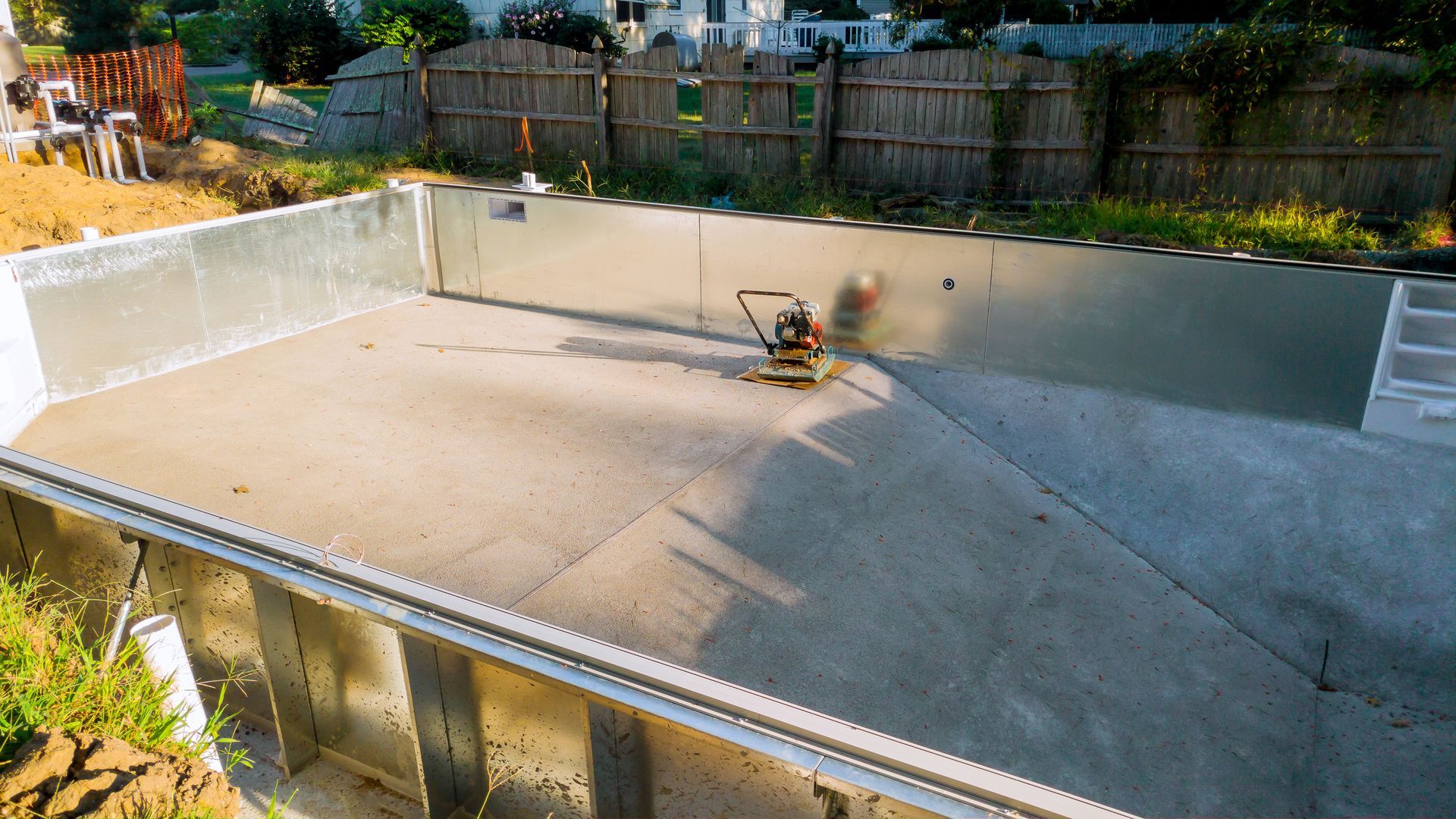
Equipment placement deserves careful attention as well. Pumps, filters, heaters, and controls should remain accessible for service without becoming the main visual focus. Screens, plantings, or enclosures can help conceal equipment while allowing adequate ventilation and access. A thoughtful pool installation plan balances these operational needs with the overall design.
Planning a Cohesive Backyard Investment
The strongest pool projects begin with a complete vision for the property. Homeowners should consider how they expect to use the yard, how many people will use it, which features matter most, and how much maintenance they are comfortable managing. Establishing these priorities can guide decisions about pool size, depth, shape, finishes, and surrounding amenities.
Budget planning should include more than the pool itself. Decking, fencing, landscaping, lighting, furniture, utilities, and ongoing care can all affect the total investment. Addressing these expenses early can help homeowners make informed choices and avoid leaving important elements unfinished.
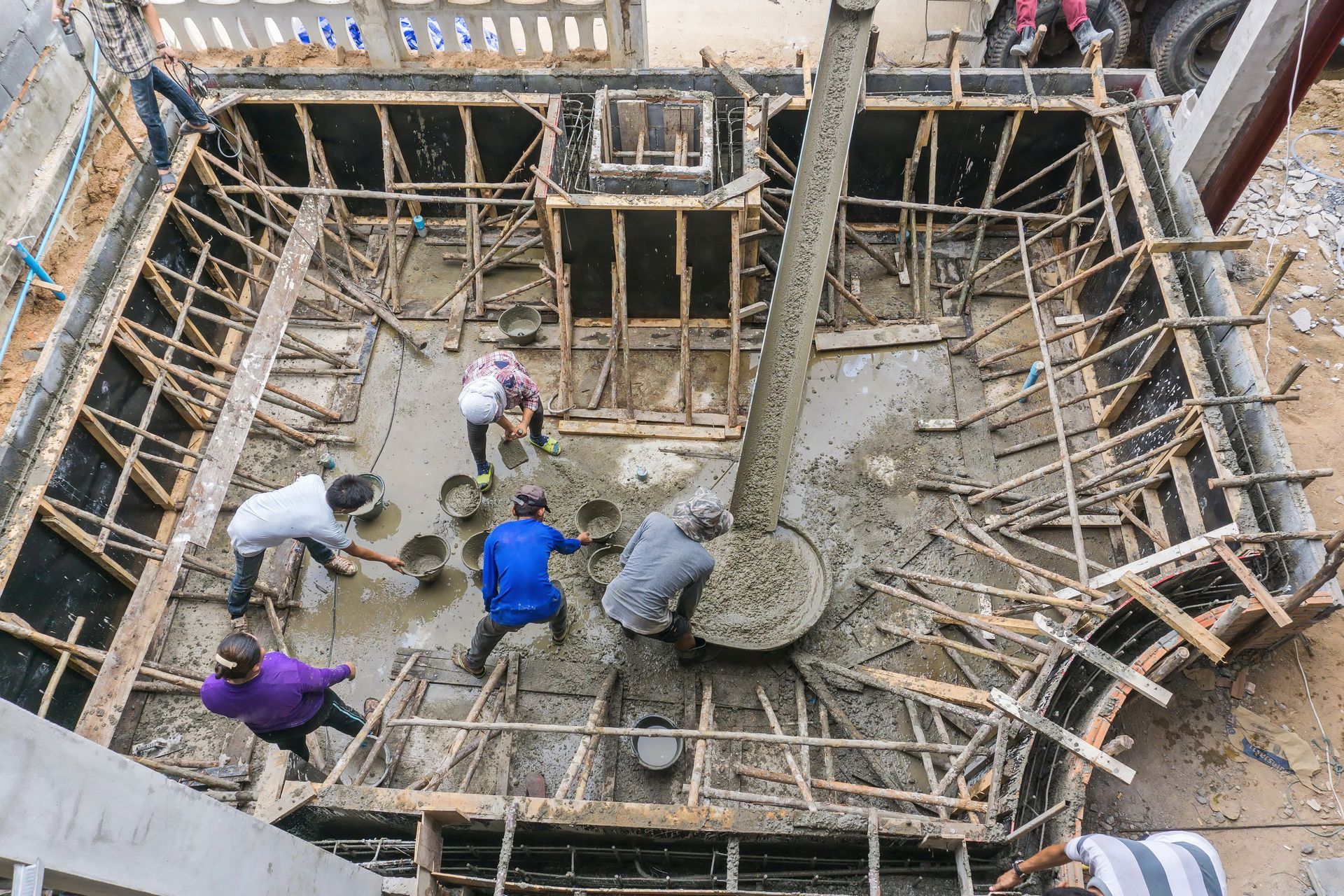
Experienced professionals can evaluate the site, explain available options, and coordinate the many stages involved in pool installation. Their guidance can help connect visual goals with structural, mechanical, and safety requirements. When every component is planned as part of a unified outdoor space, the result can improve daily enjoyment, strengthen curb appeal, and add lasting usefulness to the property. Call Cherry Hill Pool & Spa today to schedule your pool or spa service.