May 28, 2026
Learn how to select the perfect in-ground pool design for your backyard paradise. This comprehensive guide explores all aspects of pool design, from layout considerations to material options, ensuring you make an informed decision for your lifestyle and space, and confidently start any construction on any in ground pools.
Assessing Your Backyard Space
Understanding Your Yard’s Dimensions
Before selecting a pool design, it is essential first to understand the available space in your backyard. Start by measuring your yard's length and width to determine the most suitable pool size. This process also helps in planning additional features, like decking, which require additional space. According to HomeGuide, the average in-ground pool measures 300 to 400 square feet and typically has a depth of 6 to 7 feet at the deep end. Knowing these details facilitates a practical approach towards designing your backyard oasis.
Evaluating Landscape and Terrain
The topography of your yard can significantly impact your choice of pool design. A sloping landscape, for example, may best suit a waterfall feature that seamlessly integrates with the environment. Conversely, a flat terrain might offer the flexibility for larger or more intricate pool shapes. Addressing how existing landscape features, like rocks or hills, could be incorporated or modified is essential. Considering these aspects enables you to choose a pool design that complements your backyard's natural beauty.
Considering Surrounding Structures and Foliage
The location of existing structures, such as patios, trees, or garden sheds, will influence your pool design options. Trees, although providing shade, might lead to unwanted debris accumulating in the pool. It's important to choose a position that optimizes the view from various angles around your yard and home. Additionally, keep in mind future plant growth, which could alter your backyard's look and pool conditions over time. The right placement minimizes potential interference and maximizes enjoyment.
Planning for Future Modifications
Consider potential future modifications when deciding on a pool design. You may eventually want to add landscaping features, expand the pool area, or integrate new technology like solar heating. Ensuring the space and layout can accommodate these changes will enhance the pool's longevity as a source of enjoyment. Thoughtful foresight helps maintain harmony and fluidity with future upgrades. Creating a flexible plan can save resources and adapt to evolving desires.
Exploring Different Pool Shapes
Rectangular Pools: Classic and Elegant
Rectangular in ground pools are timeless and widely appreciated for their formal aesthetic and efficient use of space. Their clean lines lend themselves to both modern and traditional designs, making them versatile enough for various architectural styles. They are especially well-suited for swimming laps and other aquatic exercises. Rectangular pools can also accommodate numerous features, like waterfalls or sun shelves, enhancing their functionality. This classic shape remains a popular choice for its simplicity and effectiveness.
Freeform Pools: Natural and Asymmetric
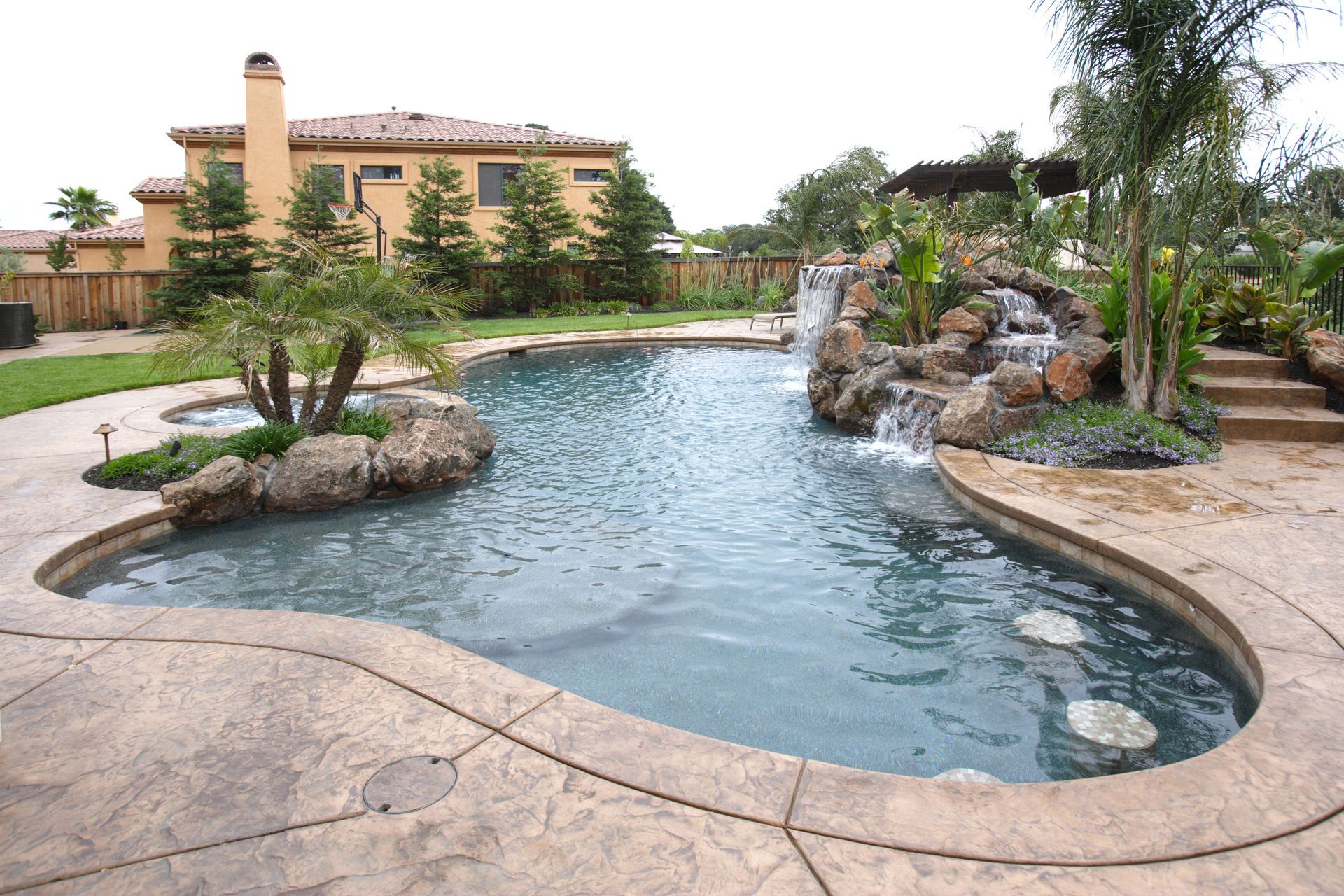
Freeform pools mimic the relaxed contours found in nature, offering a more organic and serene appearance. These pools resemble natural ponds and lagoons, making them ideal for establishing a tranquil, natural setting in your backyard. The irregular shapes also facilitate the integration of rocks, plants, and waterfalls to enhance the natural feel. Because they lack a rigid form, freeform designs can adapt more readily to unconventional yard spaces. Their versatility and natural appeal make them a popular option for those seeking an informal aesthetic.
Infinity Pools: Seamless and Luxurious
Infinity pools, synonymous with luxury, create a visually stunning illusion by seamlessly blending water with horizon views. This design is particularly compelling in properties with ocean, lake, or mountain views, as it amplifies a sense of boundless space. The attention to detail in their construction demands a specialized site, often situated on slopes or elevated platforms. Despite the design complexities and higher costs, the aesthetic payoff in infinity pools is unparalleled. A commitment to elegance and open views renders this choice a standout investment in your property's allure.
Custom Designs: Unique and Personalized
Custom pool designs offer homeowners complete flexibility in creating a unique backyard feature that reflects personal style. Tailored to fit unusual spaces or specific functions, these pools are ideal for those with specific size, shape, or aesthetic needs. Custom in ground pools can incorporate a range of artistic features, from colored tiles to integrated spas and water slides. Personalized designs can transform ordinary yards into visually stunning and functional spaces. While often more expensive, the individuality and satisfaction they provide are unparalleled.
Choosing the Right Pool Materials
Concrete: Durable and Versatile
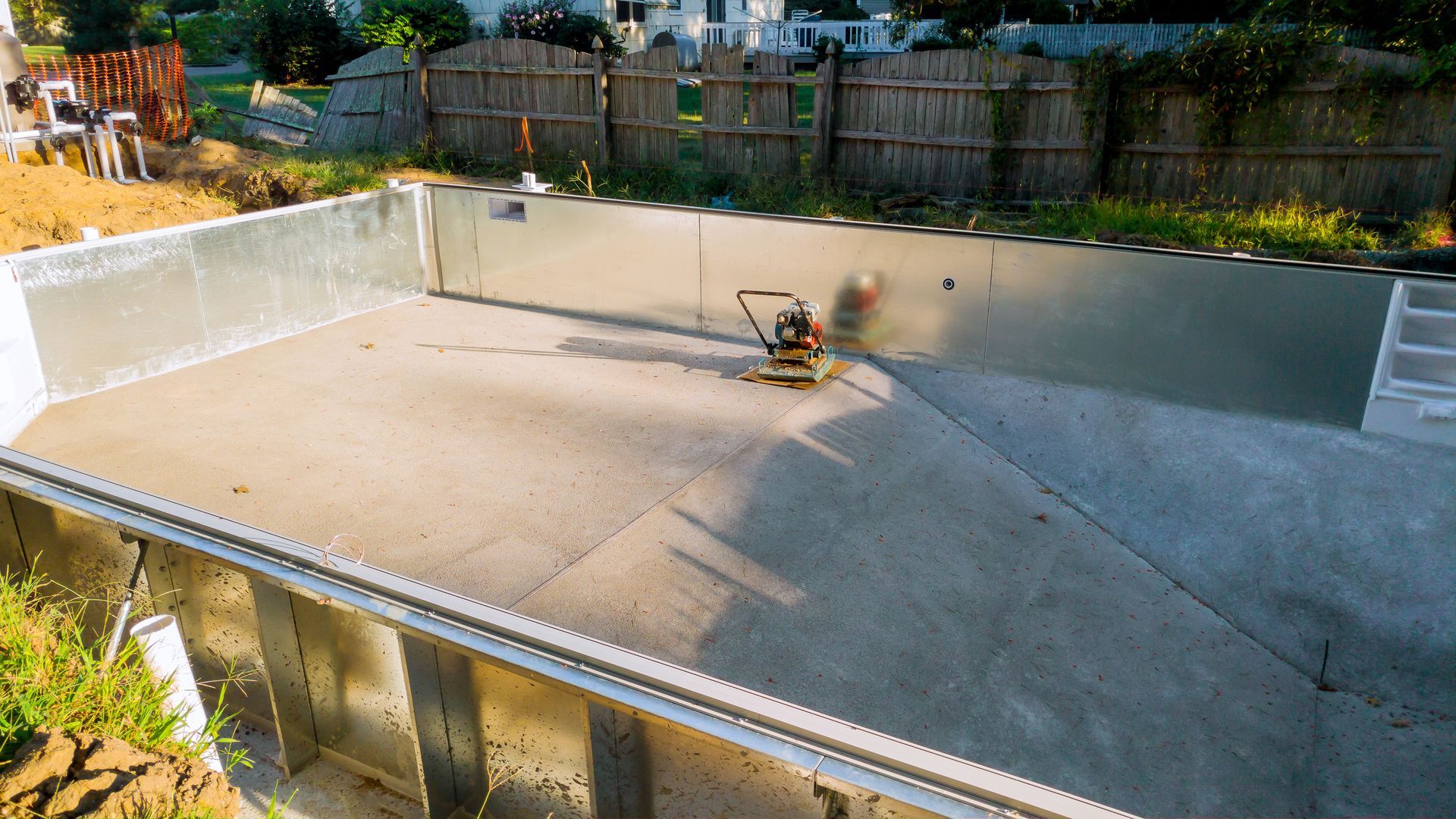
Concrete is the traditional choice for pool construction, valued for its strength and flexibility in design. It can conform to any shape or size, meeting various aesthetic or functional demands while offering high durability. Concrete's robust nature means in ground pools built with it can last for decades with proper maintenance. However, the longer installation time and higher cost might influence the decision for some homeowners. Balancing these aspects, concrete remains a leading choice for those prioritizing customizability and longevity in their pool design.
Fiberglass: Smooth and Low Maintenance
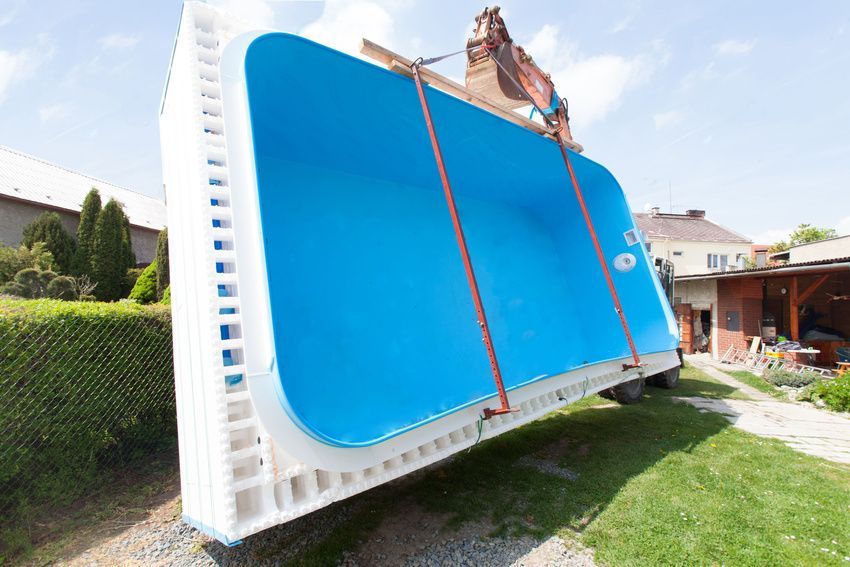
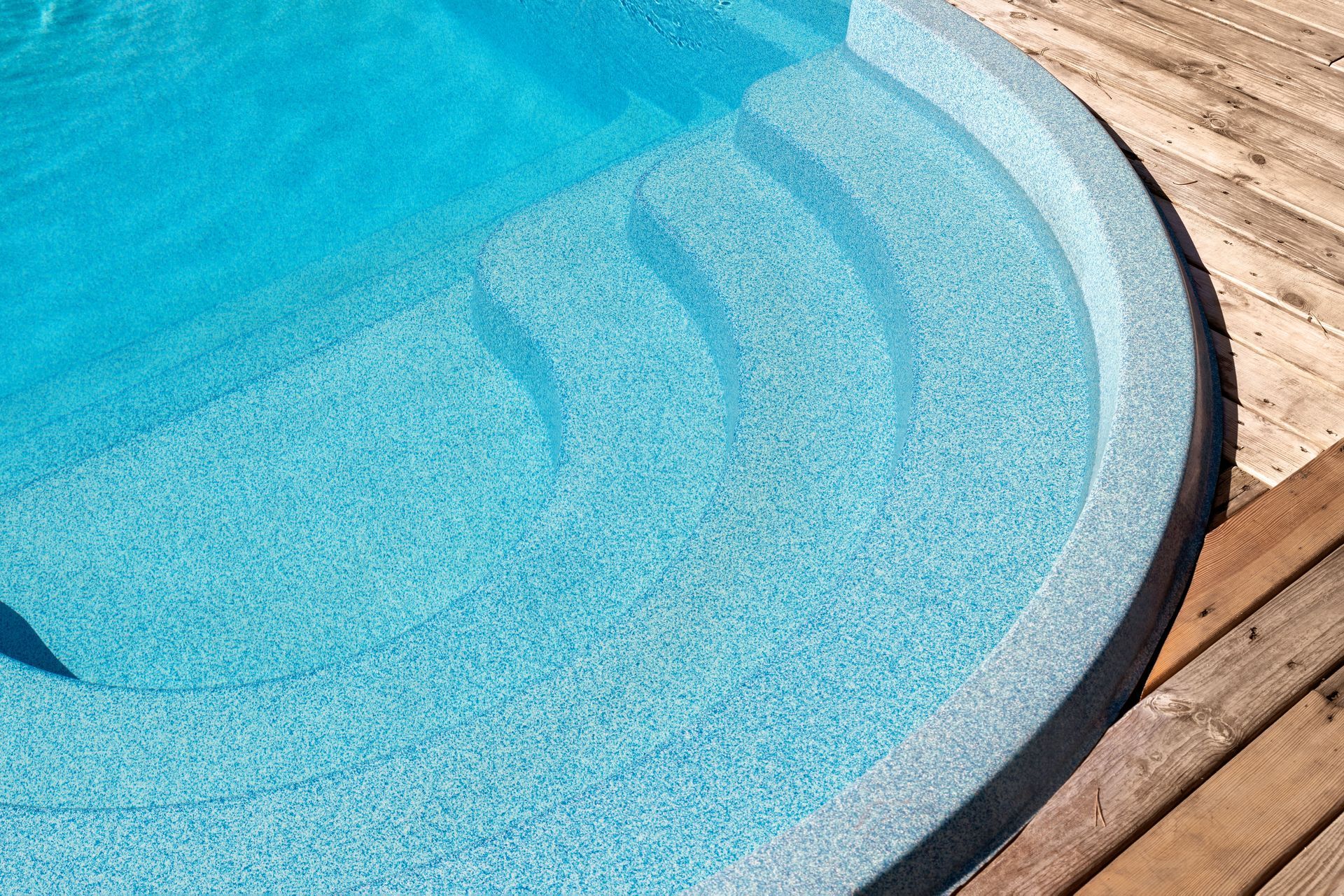
Fiberglass in ground pools are pre-manufactured, featuring smooth surfaces that resist algae growth and make them easier to clean. These qualities help in maintaining water chemistry, reducing the need for regular upkeep and chemical use. Fiberglass installations are typically faster than concrete, with many models fitting perfectly into their excavation sites. While more costly upfront, their low maintenance and lasting surface smoothness can make them a cost-effective choice in the long term. Homeowners looking for simplicity and low upkeep may find fiberglass a practical and efficient option.
Vinyl: Cost-effective and Flexible
Vinyl in ground pools offer a budget-friendly solution for those seeking flexibility in pool design and appearance. Their smooth lining can be shaped to fit a variety of pool contours, making them a versatile option. Although they may not last as long as concrete or fiberglass, vinyl is less expensive and simpler to replace. It's important to consider the potential for tears or punctures, which might necessitate more frequent repairs. Vinyl's adaptability and affordability often make it an attractive option for first-time pool owners.
Considering Pool Features and Accessories
Heating and Cooling Options
Ensuring comfortable swimming conditions often involves installing heating and cooling systems. Solar-powered heaters provide an eco-friendly solution that harnesses the sun's energy, though they may not suffice during cooler months. Gas or electric heaters offer quick water heating year-round, albeit at a higher running cost. On the flip side, pool chillers are critical in hot climates to make swimming pleasurable during summer heatwaves. Homeowners should choose solutions that balance energy efficiency, environmental impact, and comfort, optimizing use throughout the swimming season.
Lighting to Set the Mood
Proper lighting transforms a pool area into a versatile space for evening enjoyment and enhances safety. Underwater lighting comes in various colors, adding mood and character to night swims while illuminating the pool's depths. Poolside lighting, like LED fixtures or tiki torches, offers ambient illumination for adjacent spaces, facilitating social gatherings. Technological advancements allow homeowners to control lighting through mobile apps for easy adjustments and enhanced user experience. Effective lighting maximizes the utility and allure of a pool area, turning it into a visually appealing nighttime haven.
Safety Measures and Barriers
Pool safety measures are mandatory to ensure the welfare of swimmers and comply with local regulations. Installing barriers like fencing or covers prevents unsupervised access to the pool, protecting children and pets. Alarm systems are another level of security, alerting homeowners whenever the pool area is accessed. Slip-resistant surfaces around the pool deck further minimize fall risks. Combining these safety components creates a secure swimming environment that contributes significantly to peace of mind.
Choosing the right design for in ground pools involves thoughtful consideration of your backyard space, the pool's shape and materials, additional features, budget, and the professionals involved in the project. By understanding each element, homeowners can create a beautiful, functional outdoor oasis tailored to their needs and preferences. Investing time and resources into these critical aspects ensures the new pool's lasting enjoyment and maximum value, transforming backyards into cherished personal retreats. To learn more about the various pool options or get started on your own installation, reach out to Cherry Hill Pool & Spa today.