August 29, 2026
Installing a swimming pool is one of the most rewarding home improvement projects you can undertake, transforming your outdoor living space into a personal sanctuary for relaxation, low-impact exercise, and lively social gatherings. However, a major construction project of this magnitude demands deliberate planning, continuous communication, and a clear understanding of the entire building process. Before making any final commitments or signing contracts, taking the time to ask key foundational questions will ensure your pool installation journey runs smoothly and leaves you with a beautifully integrated outdoor feature tailored to your lifestyle.
1. Determining the Primary Purpose of Your Pool
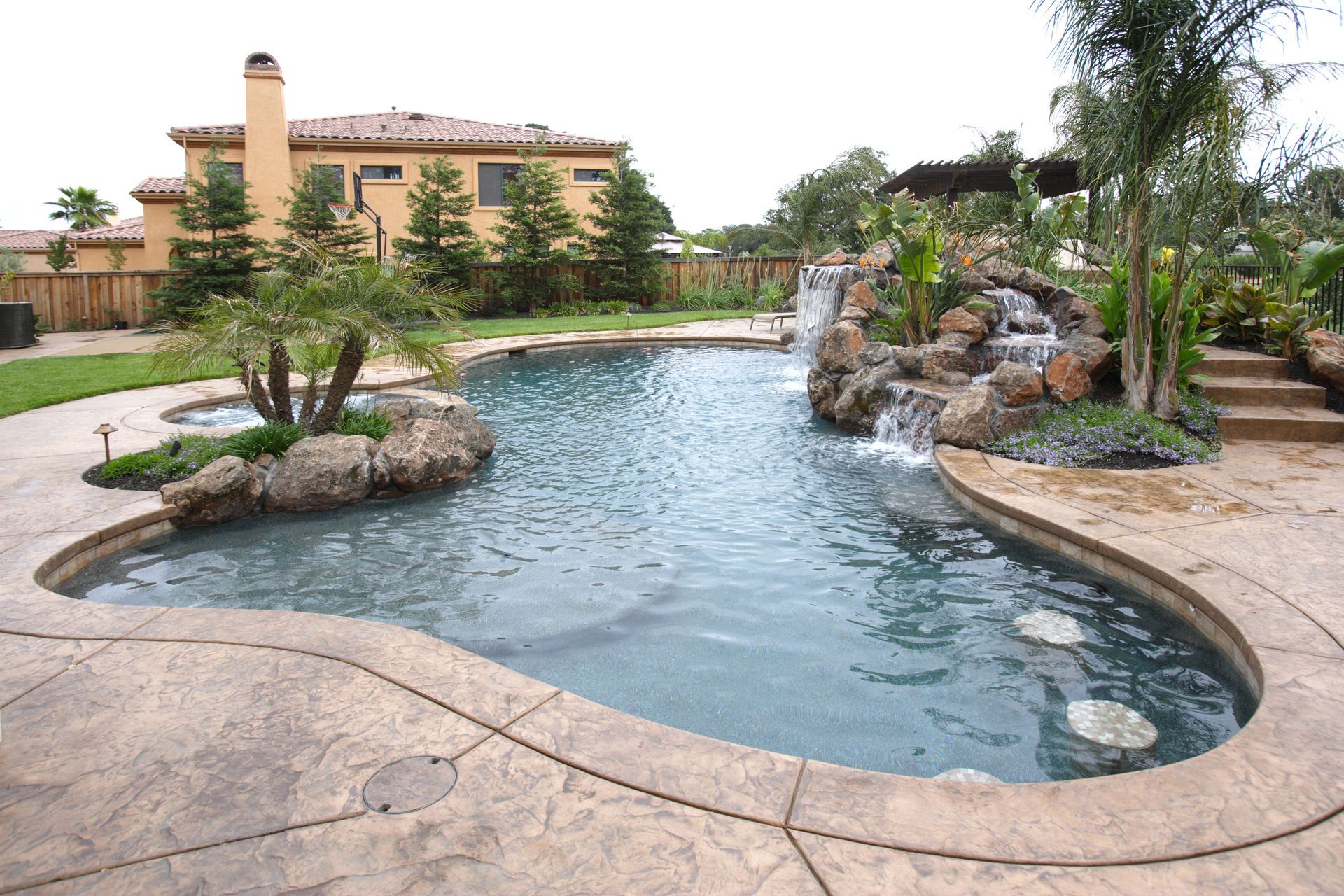
Determining the primary purpose of your pool is crucial because every single design decision, structural feature, and equipment choice flows directly from how you plan to utilize the water. If family entertainment and social hosting are your top priorities, your layout should emphasize accessibility, comfort, and safety. You might incorporate shallow sun shelves for lounging, built-in benches, tanning ledges, splash zones for small children, and dedicated attachment points for volleyball nets or basketball hoops. Adding features like swim-up bars, integrated spas, and spillover fountains further transforms your backyard into a bustling social hub for weekend parties.
If physical wellness, rehabilitation, or daily low-impact exercise drive your decision, functional depth, length, and unobstructed swimming corridors become essential. Homeowners seeking fitness often invest in swim jets or dedicated lap lanes that allow continuous workouts within compact footprints. Conversely, if your goal is purely aesthetic transformation and high-end architectural appeal, your design focus shifts toward premium visual elements. Cascading waterfalls, fire bowls, infinity edges, sleek dark interior finishes, and customizable LED lighting displays elevate standard backyards into luxurious, resort-style landscapes that dramatically elevate visual appeal.
Beyond personal enjoyment, defining your pool's primary purpose helps align your expectations regarding overall property impact and resale value. A well-designed pool tailored to your neighborhood's expectations can serve as a powerful selling point, turning your backyard into a major asset. Aligning long-term goals with your immediate lifestyle preferences ensures that every square foot of water serves a clear function for your household.
2. Selecting the Best Type for Your Needs
Deciding between an in-ground and an above-ground structure represents a foundational engineering decision that dictates your long-term site planning, property value, and upfront investment. In-ground installations offer total architectural flexibility, blending seamlessly with surrounding patios, outdoor kitchens, retaining walls, and custom landscaping elements. While above-ground models feature faster assembly timelines and lower initial material expenses, they offer limited structural customization, shorter lifespans, and minimal equity addition compared to permanent in-ground alternatives.
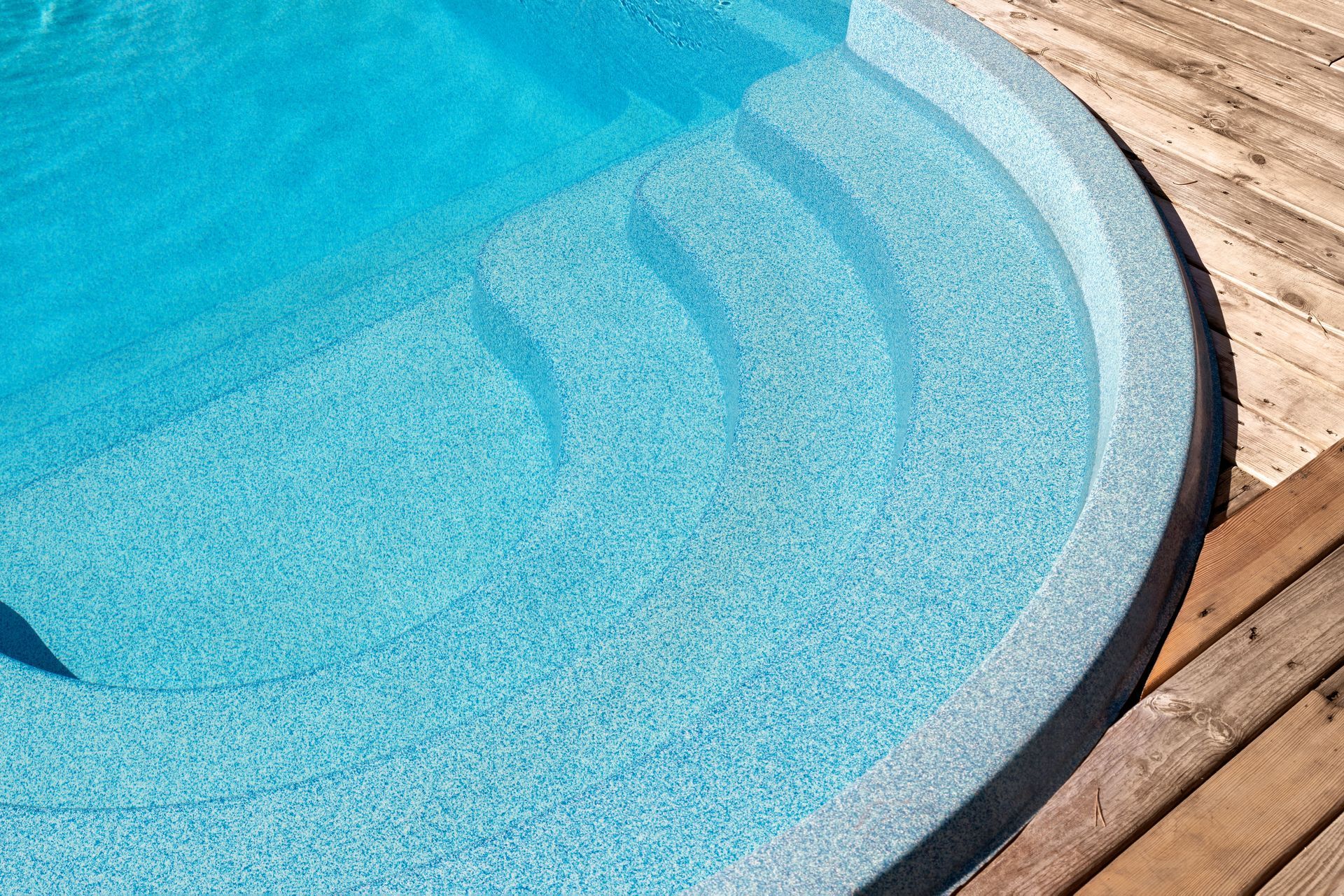
Material selection is equally critical, directly governing ongoing maintenance routines, long-term durability, and long-term repair costs over the life of the vessel. Pre-manufactured fiberglass shells feature a smooth, non-porous gel coat that naturally resists algae growth, reducing weekly chemical consumption and maintenance labor. Custom concrete or gunite structures offer unlimited freedom in depth, size, and shape, accommodating unique beach entries and elaborate rock formations, though they require periodic acid washing and resurfacing. Vinyl liner pools present an economical initial price point with a smooth surface texture, though the liner must be replaced every 7 to 12 years.
Evaluating long-term operating efficiency is another essential aspect of selecting the right setup for your yard. Modern advances in equipment allow pool owners to choose energy-saving variable-speed pumps, saltwater chlorination systems, automated covers, and eco-friendly heat pumps. Selecting high-efficiency components during the initial design phase keeps monthly utility expenses manageable and keeps system operations running seamlessly year-round.
3. Budgeting for Your Pool Installation
Formulating a realistic budget requires looking well beyond the core quote for the pool shell and mechanical equipment. Initial construction expenses must account for preliminary engineering, heavy site excavation, soil testing, utility line extensions, tree removal, and municipal permit fees. According to Ruby Home, there are 10.7 million residential swimming pools in the United States, highlighting the immense popularity and significant financial investment of these projects across the country. Comprehensive budgeting must also encompass necessary surrounding features, such as required safety barriers, concrete decking, retaining walls, drainage systems, and custom hardscaping.
Long-term maintenance and operational costs must also be factored into your household financial planning from day one. Recurring line items include seasonal water consumption, chemical treatments, filter cartridge replacements, electrical pump operation, and seasonal opening or winterization services. Investing in automation systems, solar heating, variable-speed filtration pumps, and insulated safety covers during your pool installation requires a higher initial investment but delivers substantial savings on utility bills and chemical products over time.
Unexpected site conditions can arise during excavation, making a contingency fund a smart addition to your initial financial strategy. Unmarked underground rock formations, high water tables, or unstable soil types can require specialized engineering solutions or additional equipment. Allocating a 10% to 15% buffer within your overall budget provides complete peace of mind, ensuring that unexpected site challenges do not interrupt progress or compromise design choices.
4. Navigating Legal Requirements and Regulations
Navigating municipal regulations, safety mandates, and legal requirements is essential to prevent costly project delays, fines, or mandatory design revisions. Local zoning codes establish critical spatial boundaries, including required setback distances from property lines, septic fields, structures, underground utility lines, and overhead power cables. Building codes also govern maximum impervious surface ratios, stormwater drainage plans, and environmental soil conservation measures designed to protect adjacent properties and natural waterways.
Safety regulations are heavily enforced across all residential pool builds to mitigate accidents and restrict unauthorized access. Building codes universally require compliant perimeter barriers, self-closing and self-latching gate mechanisms, anti-entrapment drain covers, and audible door alarms for homes opening directly onto the pool deck. Homeowners Associations (HOAs) frequently enforce additional aesthetic standards, restricting equipment placement, fence styles, lighting direction, and acceptable pool finishes to preserve community architectural harmony.
Working closely with licensed contractors who understand regional building departments streamlines the permit acquisition process significantly. Professional builders manage engineering submittals, schedule mandatory municipal inspections at key construction milestones, and ensure every phase strictly adheres to current safety codes. Thorough regulatory compliance protects your financial investment and ensures total safety for your family and guests.
5. Establishing a Construction Timeline
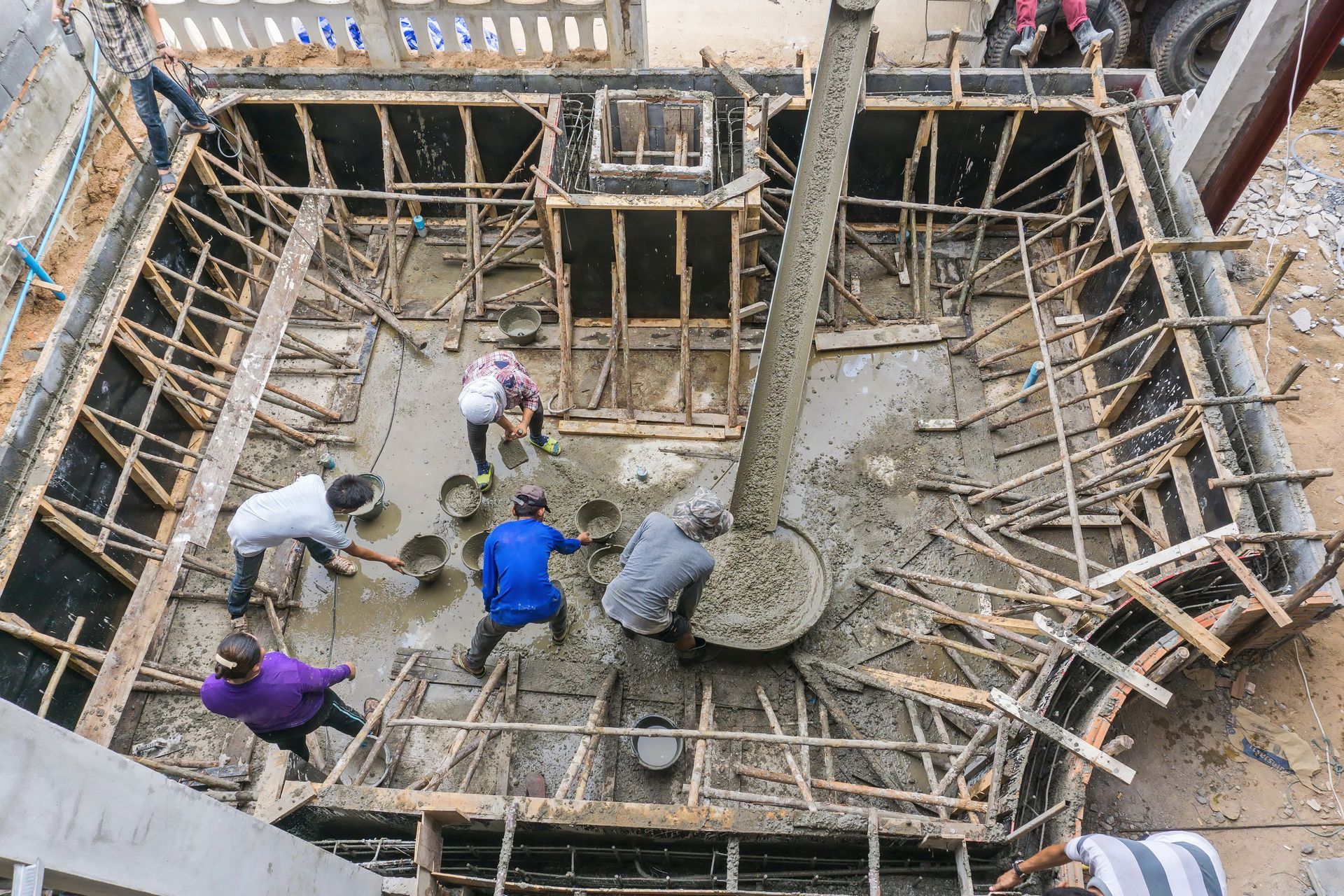
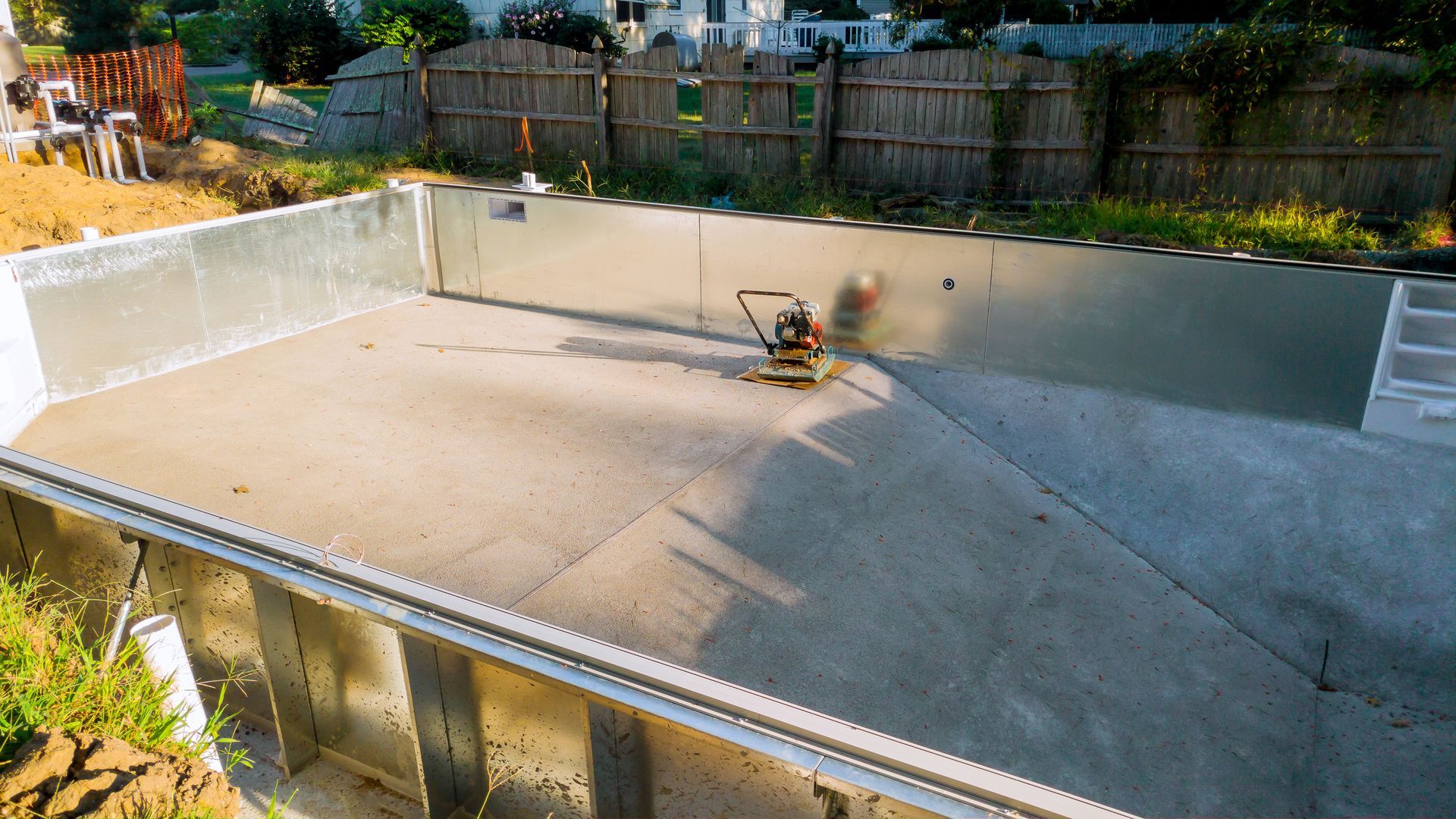
Establishing a realistic construction timeline helps manage expectations and reduces stress during major site work. The initial pre-construction phase, encompassing architectural drafting, engineering approvals, HOA reviews, and municipal permit issuance, can take anywhere from a few weeks to several months depending on local agency workloads. Once permits are secured, physical progress begins with excavation, steel framing, rough plumbing, and electrical installations, which move swiftly under favorable conditions.
Weather patterns, material delivery schedules, and specialized labor availability play significant roles in determining the overall duration of the project. High groundwater levels, heavy rain, or freezing winter conditions can delay earth-moving equipment, concrete curing, or interior plaster applications. Clear communication with your project supervisor ensures you receive timely updates regarding schedule adjustments and upcoming construction milestones throughout the entire build.
The final stage of construction involves pouring surrounding decks, installing coping tiles, applying interior finishes, and filling the pool with water. Once filled, mechanical startup routines, system pressure checks, comprehensive water balancing, and final building department inspections take place before the pool is cleared for use. Understanding each phase of this sequence helps you plan around temporary yard disruptions and look forward to opening day.
By thoroughly exploring these essential questions, you ensure a smooth, successful project that enhances your property value, provides endless recreation, and creates lasting memories for years to come. For more information about the services that we offer, reach out to our incredible team at Cherry Hill Pool & Spa today!