November 24, 2026
Adding a swimming pool to your property is a significant project that involves more than choosing a shape and deciding where to place it. Homeowners should consider their available space, budget, preferred features, and plans for using the pool before beginning the installation process. Taking time to evaluate these details can help you make informed decisions and create an outdoor space that complements your home.
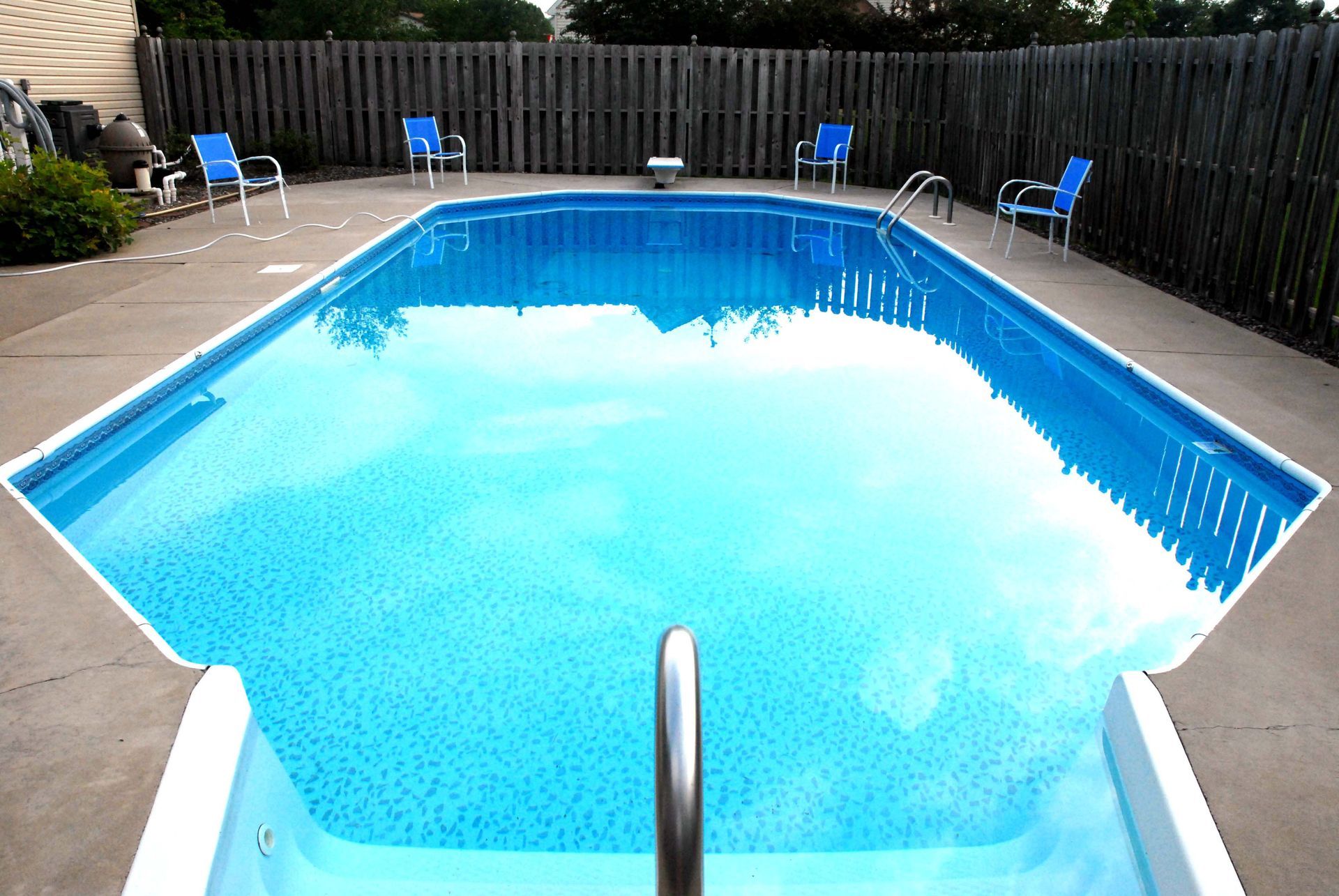
According to RubyHome, nearly 59% of residential swimming pools in the U.S. are built in-ground. Their popularity reflects the range of design options available and the opportunity to create a pool that works with a property's layout. With careful planning, an in ground pool can become a central feature of an outdoor living area while providing a place for recreation, relaxation, and time with family and friends.
Evaluating Your Property and Outdoor Space
Every property presents different opportunities and considerations for pool installation. The size and shape of your yard, existing landscaping, drainage, and access to the construction area can all influence the design. Thinking about these details early can help you determine where the pool will fit and how it will connect with the rest of your outdoor space.
It is also helpful to consider how your household will use the pool throughout the year. Some homeowners prioritize space for swimming and exercise, while others want an area for entertaining or relaxing with family. Your intended use can guide decisions about pool dimensions, surrounding patios, seating, and additional features. A clear plan makes it easier to create an outdoor area that supports your lifestyle.
Sun exposure, privacy, and the location of nearby structures are also worth considering. A sunny area can help keep the pool comfortable, while fences, landscaping, and the placement of neighboring homes can affect privacy. You should also think about the distance between the pool and your home, outdoor dining areas, and other frequently used spaces. Considering these factors together can help you plan an in ground pool that feels like a natural part of your property.
Budgeting for Your Pool Project
The cost of a pool project depends on several factors, including the pool's size, design, installation requirements, and selected features. Site conditions can also affect the overall price. For example, a sloped yard, limited equipment access, or the need for additional excavation could increase the work required before installation begins. Requesting an estimate based on your property and preferred design can provide a more useful starting point than relying on general cost ranges.
Homeowners should also consider the expenses beyond the initial installation. Pool heating systems, automatic covers, and other additions can affect the project budget. Some features can be included during the original installation, while others might be considered later. Identifying your priorities can help you decide which options are important to include from the beginning.
Long-term costs are another part of the planning process. Depending on the equipment and features you select, you may need to account for electricity, water, heating, cleaning supplies, and routine equipment care. An automatic pool cover can help limit debris and reduce water evaporation, while an appropriately sized heating system can help extend the swimming season. Discussing available options with your pool installer can help you understand how different choices affect ongoing expenses.
It is also sensible to leave room in your budget for unexpected site-related work. Soil conditions, underground obstacles, drainage concerns, and access limitations might not become clear until the property is evaluated. Setting aside additional funds can help you manage changes without having to remove important features from your plans. A detailed estimate and discussion of the installation process can also help clarify which costs are included in the project.
When considering the value of an in ground pool, think about how it will fit your lifestyle as well as your property. A well-planned design can make an outdoor area more functional and create space for activities throughout the swimming season. However, the effect on resale value can vary based on the local housing market, buyer preferences, and the condition of the pool. It is better to choose features that suit your household rather than assume every addition will provide a specific financial return.
Choosing the Right Pool Design and Features
The right pool design should reflect the available space and how you expect to use it. Some homeowners prefer a simple layout for casual swimming, while others want a larger design that accommodates games, gatherings, or relaxation. The shape and dimensions should also work with the surrounding patio, landscaping, and access points. Reviewing these details together can help create a cohesive outdoor layout.
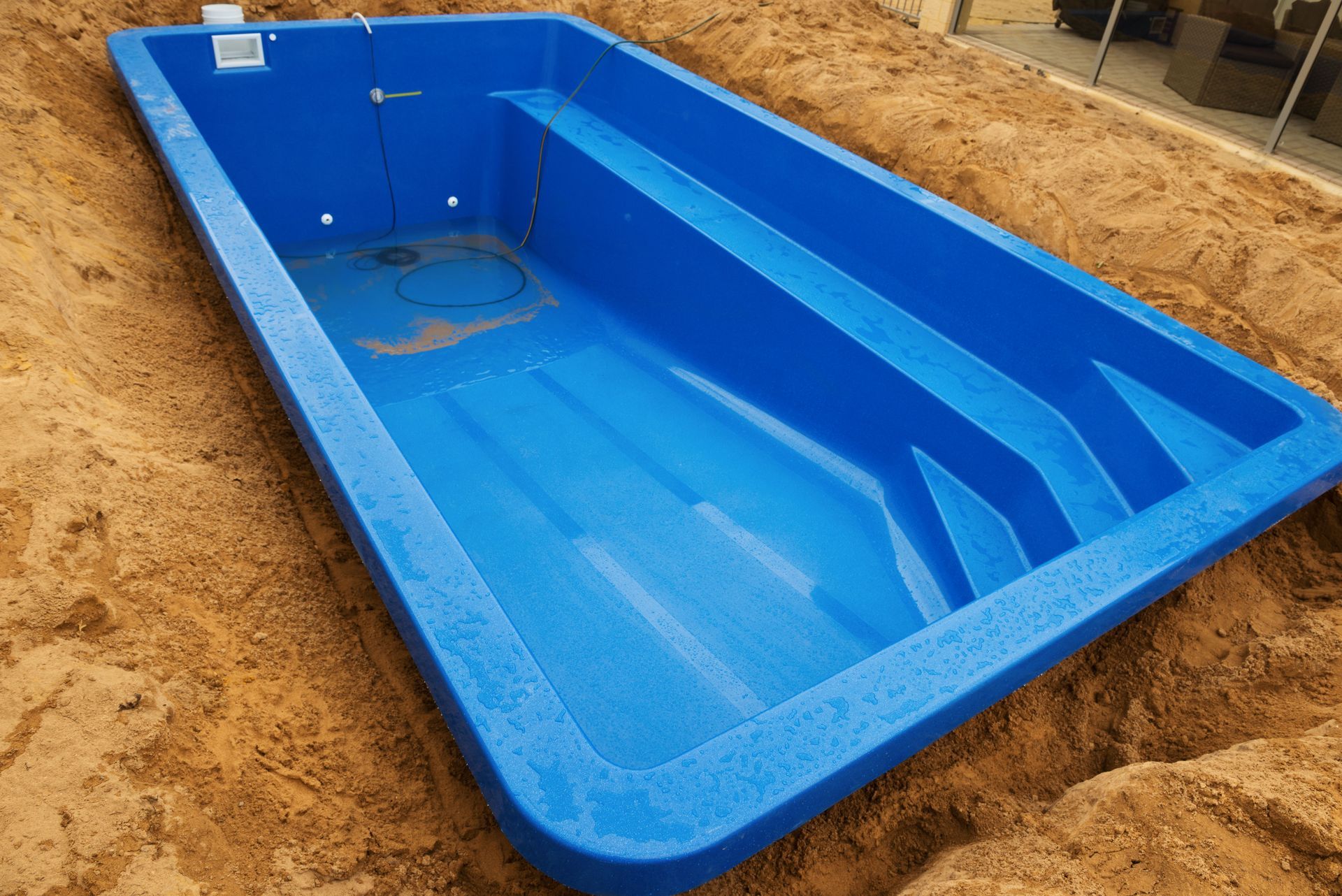
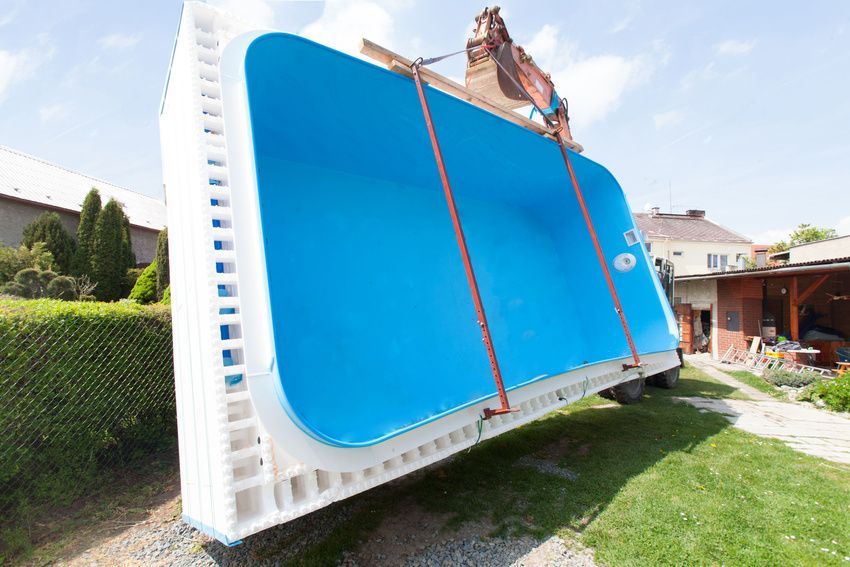
Fiberglass pools offer a range of shapes and sizes, making them an option for homeowners with different design preferences. When planning an in ground pool, consider how the selected design will fit within the usable portion of your yard and leave enough room for surrounding features. The layout of an in ground pool should also account for access to the water, nearby seating areas, and any additional features you want to include.
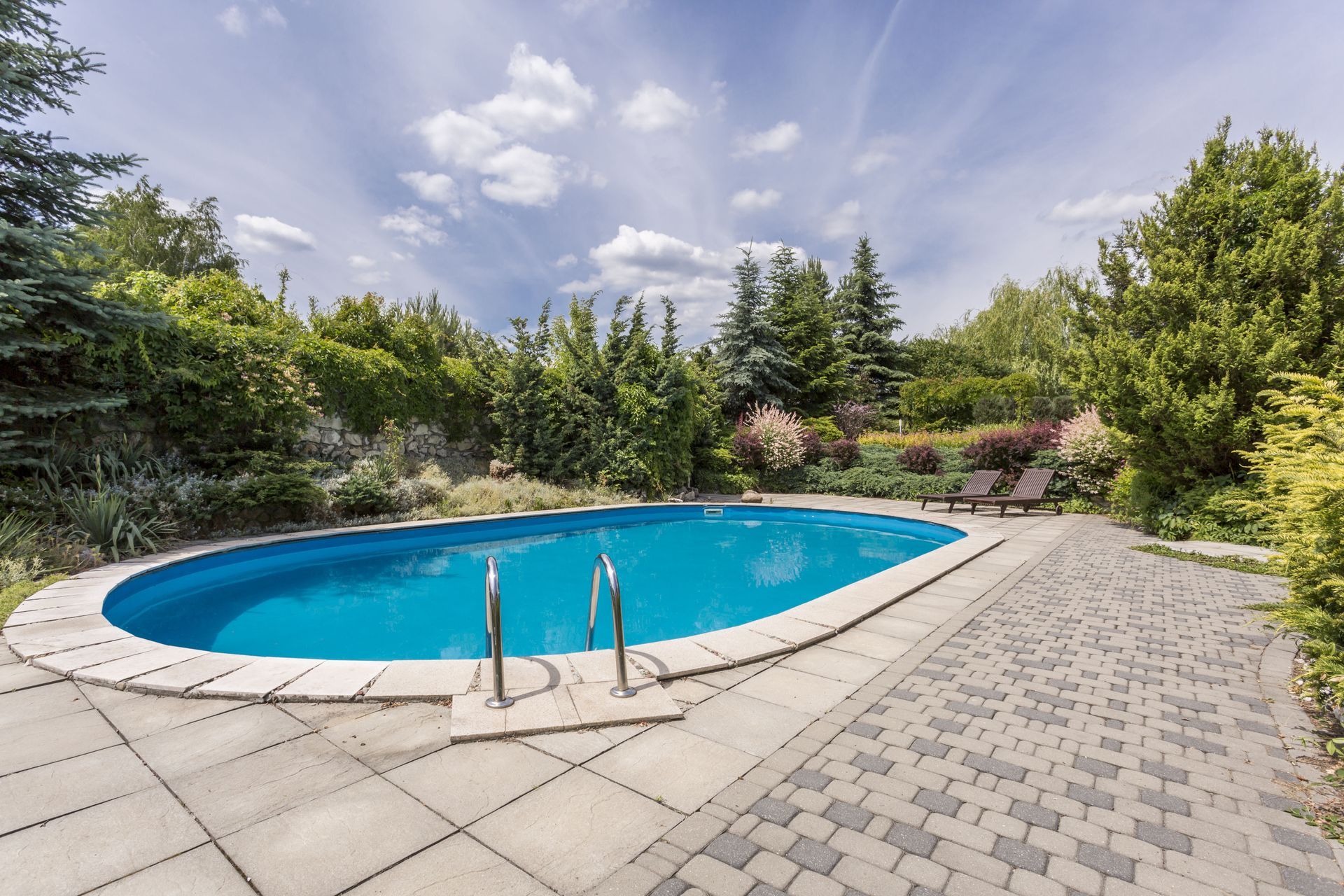
The area surrounding the pool is just as important as the pool itself. Concrete and natural stone perimeters can provide a finished appearance while creating a safe, nonslip surface for walking. Homeowners can also consider poolside patios and built-in seating to create comfortable spaces for relaxing and entertaining.
Pool covers are another feature worth discussing during the design process. Depending on the type selected, a cover can help reduce debris, limit evaporation, and retain heat when the pool is not in use. Homeowners should also consider how the cover will be operated and stored. A cover can be part of a broader pool safety plan, but it does not replace required barriers, alarms, or supervision.
Meeting Local Regulations and Installation Requirements
Before installing a pool, homeowners should review the local requirements that apply to their property. Regulations can address pool placement, setbacks, fencing, gates, electrical work, and other safety considerations. Requirements vary by municipality, so it is important to confirm the rules that apply to your specific location. Reviewing them before finalizing the design can help avoid delays and changes during construction.
Permits may be required before excavation or installation begins. The application process can involve property plans, pool specifications, inspections, and other documentation. Homeowners should understand which approvals are needed and when inspections must take place.
Safety requirements should also be considered when choosing the pool's location and surrounding layout. Local codes may specify barrier heights, self-closing gates, door alarms, or other protective measures. Homeowners should confirm the applicable standards rather than assume that one safety feature meets every requirement. Pool covers, fencing, alarms, and consistent supervision can contribute to a safer environment, but each serves a different purpose.
If your property is part of a homeowners association, review its rules before moving forward. Some associations require written approval before work begins, even when a project meets municipal regulations. Checking these rules early can help you identify additional steps and avoid conflicts after installation is underway.
Planning an in ground pool involves balancing design preferences, property conditions, costs, and local requirements. Considering these factors before construction can help you select features that fit your needs and prepare for the responsibilities of pool ownership. For help exploring fiberglass pool designs, equipment, and installation requirements, contact Cherry Hill Pool & Spa to discuss your project.